
Expert Picks For Reliable Drainage Service Tools And Materials
Choose from industry-approved products that deliver durability and precision for all your drainage maintenance needs.
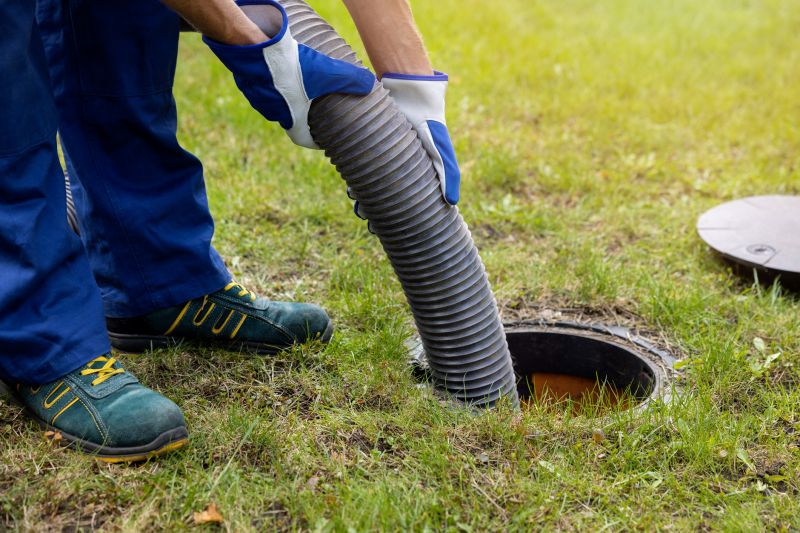 Effective drainage solutions are essential for maintaining the integrity and functionality of plumbing systems in residential, commercial, and industrial settings. Proper drainage products help prevent water accumulation, reduce the risk of flooding, and ensure that wastewater is efficiently directed away from structures. When selecting drainage products, it is important to consider the specific needs of the property, including the type of terrain, expected water flow, and existing infrastructure.
Top Overall Option
Modular Drainage Channel System
A modular drainage channel system offers flexible and customizable solutions for managing surface water runoff. These systems typically consist of interlocking grates and channels that can be configured to fit various areas, from driveways to walkways. They are designed for ease of installation and maintenance, providing effective water diversion and reducing pooling or erosion. Suitable for a wide range of applications, these systems can be adapted to different site conditions, making them a versatile choice for many drainage needs.
Types of Products For Drainage Service
Surface Drain Grates
Grates designed to cover surface drains, allowing water to flow into underground pipes while preventing debris from entering.
Underground Drain Pipes
Pipes used to direct water away from foundations and other critical areas beneath the surface.
Catch Basins
Structures that collect surface water and debris, facilitating drainage and preventing clogging.
Sump Pumps
Devices installed in basements or low-lying areas to pump out accumulated water.
Drainage Tiles
Perforated pipes used in landscape drainage to prevent water pooling around foundations or gardens.
French Drains
Drainage systems consisting of perforated pipes surrounded by gravel to redirect water away from problem areas.
Water Flow Regulators
Devices that control the rate of water flow in drainage systems to prevent overflow or erosion.
Drainage Filters
Filters that trap debris and prevent clogs within drainage pipes and grates.
Erosion Control Matting
Materials used to stabilize soil and prevent erosion around drainage areas.
Flexible Drain Pipes
Flexible piping options suitable for difficult terrain or complex drainage layouts.
Drainage Pumps
Pumps designed to move water from low-lying or flooded areas to designated drainage points.
Perforated Drainage Pipe
Pipes with perforations that allow water to enter and exit, used in various drainage applications.
Stormwater Management Systems
Integrated systems that control and direct stormwater runoff to prevent flooding.
Drainage Access Covers
Covers that provide access to underground drainage systems for maintenance and inspection.
Slope Stabilization Products
Materials and systems used to maintain proper grading and prevent soil movement around drainage areas.
Popular Choices
Widely used for managing surface water on driveways and walkways, these grates help channel water efficiently.
Commonly installed beneath surfaces to direct water away from foundations and prevent pooling.
Frequently chosen for their ability to collect debris and surface water, reducing clogging risks.
A popular solution for basement and crawl space water removal, helping to prevent flooding.
Often selected for yard drainage and foundation protection, these systems help redirect groundwater.
Used to prevent debris from clogging pipes and grates, ensuring smooth water flow.
Trending for their ability to handle large volumes of runoff in urban areas.
Common in landscape projects to prevent water accumulation around structures.
Devices that help control water speed and volume in drainage systems, reducing erosion.
Essential for maintenance access, these covers are frequently installed in commercial settings.
Versatile piping used in various drainage applications, especially in landscape projects.
Preferred for their adaptability in complex or irregular terrain conditions.
Drainage systems can vary widely in design and complexity. From simple surface drains that channel water away from walkways to complex underground piping networks that manage large volumes of water, each type serves a unique purpose. Proper installation and maintenance of these systems are crucial for their effectiveness and longevity. Investing in quality drainage products can help mitigate issues caused by clogged or inefficient drainage, ultimately protecting property values and structural safety.
In addition to traditional pipes and grates, there are various accessories and supplementary products designed to enhance drainage performance. These include catch basins, sump pumps, drainage tiles, and filters, each playing a role in managing water flow and preventing debris buildup. Selecting the right combination of products depends on the specific drainage challenges faced, whether it is managing stormwater runoff, preventing basement flooding, or improving yard drainage. Consulting with drainage professionals or suppliers can provide valuable insights tailored to the unique conditions of Englewood, CO.
Key Buying Considerations
- Determine the primary purpose of the drainage system, such as surface water management or underground water diversion.
- Assess the volume of water that needs to be managed to select appropriately sized products.
- Consider the type of terrain and soil conditions to choose suitable materials and designs.
- Evaluate ease of installation and whether professional assistance is needed.
- Check compatibility with existing infrastructure to ensure seamless integration.
- Look into maintenance requirements and accessibility for future upkeep.
- Select durable materials that can withstand local weather conditions and soil acidity.
- Consider the potential for debris accumulation and incorporate filters or grate designs accordingly.
- Think about the aesthetic impact if the drainage system is visible in landscaped areas.
- Review local building codes and regulations to ensure compliance.
- Estimate the total cost, including installation, materials, and ongoing maintenance.
- Prioritize systems that allow for easy inspection and cleaning.
- Evaluate the flexibility of the system for future modifications or expansions.
- Determine the need for additional accessories like sump pumps or flow regulators.
- Consult with drainage professionals for tailored solutions based on site-specific conditions.